


Branding Strategy
In recent years, numerous brands have emerged, leading to intense competition among them. The smallest details have come to mean a lot when it comes to a branding strategy. You should know that an attractive logo without a story behind it won’t yield very good results.
But what is a branding strategy, and why is it so essential?
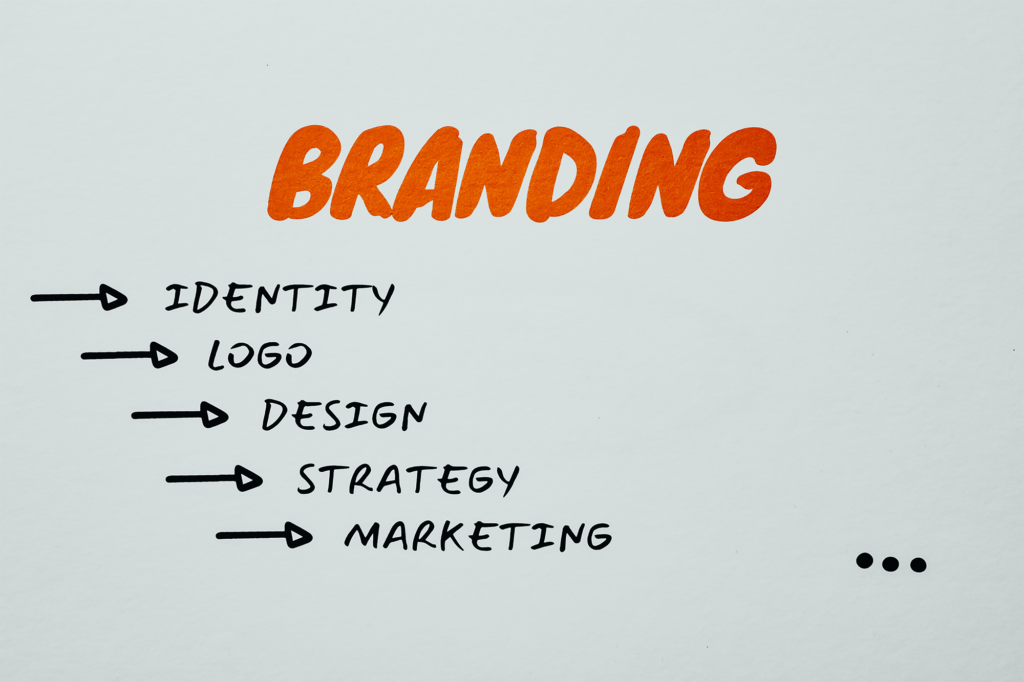
Branding is a marketing practice that includes elements such as graphic design, logo, colors, name, values, and all these elements together are part of the branding strategy. Many might think that branding is a quick process that doesn’t require much work and can be done by anyone. However, things are not quite like that, so it’s best to seek the help of specialists from a creative agency.
We will list a few essential reasons why we believe a professionally executed branding strategy will help you enormously.
- Generates Specific Emotions
When the audience finds itself in the story your brand tells, you will undoubtedly get a positive response. The branding strategy should not communicate an unseen message but should be easily understood by the public, who can relate to it.
- Develops Brand Identity and Defines Its Values
A successful branding strategy aims to define the brand’s identity. This will be the image customers will have of the product/service you offer. The industry, approach, everything should emerge from the branding strategy because every detail can change the customer’s perception. As for values, they should be established from the beginning so that the entire strategy flows smoothly.
- Supports Brand Advertising
You should know that advertising is another essential element in the branding process. The strategy needs to be constructed correctly from the start because without clear and well-defined branding, its development may not be logical.
A brand strategy is sometimes mistakenly perceived as just a visual identity. Aside from the visual aspect, you should know that a brand is also built on other elements that bring a success story to life.
1. Establishing the Basic Elements of the Brand, Namely: Vision, Mission, Values
In this stage, we will talk a lot about ‘whys.’ Why are we where we are, and why do we do things this way? The mission, vision, and values are defined by answering some essential questions.
- Why did we enter the market?
- How do we want to look in the future?
- What values govern us?
2. Analyzing Competition and the Market
Analyzing these two categories is essential for building a commendable branding strategy. Based on certain analyses, we identify strengths, weaknesses, opportunities, and threats.
3. Identifying the Target Audience
Just as love stories are born between people, a love story must also be born between your brand and the target audience. To reach this point, you must first know whom you are addressing. In this stage, you will identify how customers feel when they purchase your product/service because a successful branding strategy is not about what you offer the customer but how your product can change their lives.
4. Naming
The brand name has an entire detailed creation process behind it, based on research and brainstorming. The first contact your audience has with your brand must resonate.
5. Visual Identity
In this era of speed, we have come to think more visually, with design remaining an ambassador for the business. When we talk about the brand’s visual identity, we refer to the logo, color, backgrounds.
Next, we will present some necessary components for a comprehensive branding strategy:
1. Purpose
‘Every brand makes a promise, but in a market where consumer trust is low, and budget vigilance is high, a promise must go beyond a brand and represent a purpose,’ says Allen Adanson, president of the North American region of consulting and design firm Landor Associates.
How can you define the purpose of your business? According to Business Strategy Insider, there are two ways:
- Functional: a concept focused on success evaluations in commercial terms, with the purpose of making money.
- Intentional: a concept focused on success because it refers to the ability to make money and do good.
For example, IKEA’s vision is not just to sell furniture but to create a better everyday life. This approach is attractive to customers because it demonstrates a commitment to providing value beyond the sale.
2. Consistency
The key to consistency is to avoid talking about things unrelated to your brand. Have you added a new picture to your brand’s Facebook page? What does it mean to consumers? Does it align with your messages?
In the effort to provide the brand with a platform to build on, you must be sure that all messages are consistent and convey the same message to the target audience.
3. Flexibility
In a world of change, marketing professionals must remain flexible. You may now be asking, ‘How should I be consistent and flexible at the same time?’ Consistency aims to set the standard for the brand, while flexibility allows you to make adjustments that increase customer interest and distinguish you from the competition.
In conclusion, a branding strategy plays an immense role in attracting potential customers. If your company can establish from the beginning who it is trying to reach, how it wants to reach them, and what it wants the public to know about it, you are on the right path to creating a brand that consumers can identify with.
- Written by: BeSoftwares
- Posted on: September 24, 2021
- Tags: Branding